Budapest isn’t a city to admire from afar: it’s one to dive into headfirst. Lace up your shoes, step outside, and experience the Hungarian capital in all its timeless splendor – from Neo-Gothic spires to century-old thermal waters.
Hungarian Parliament Building
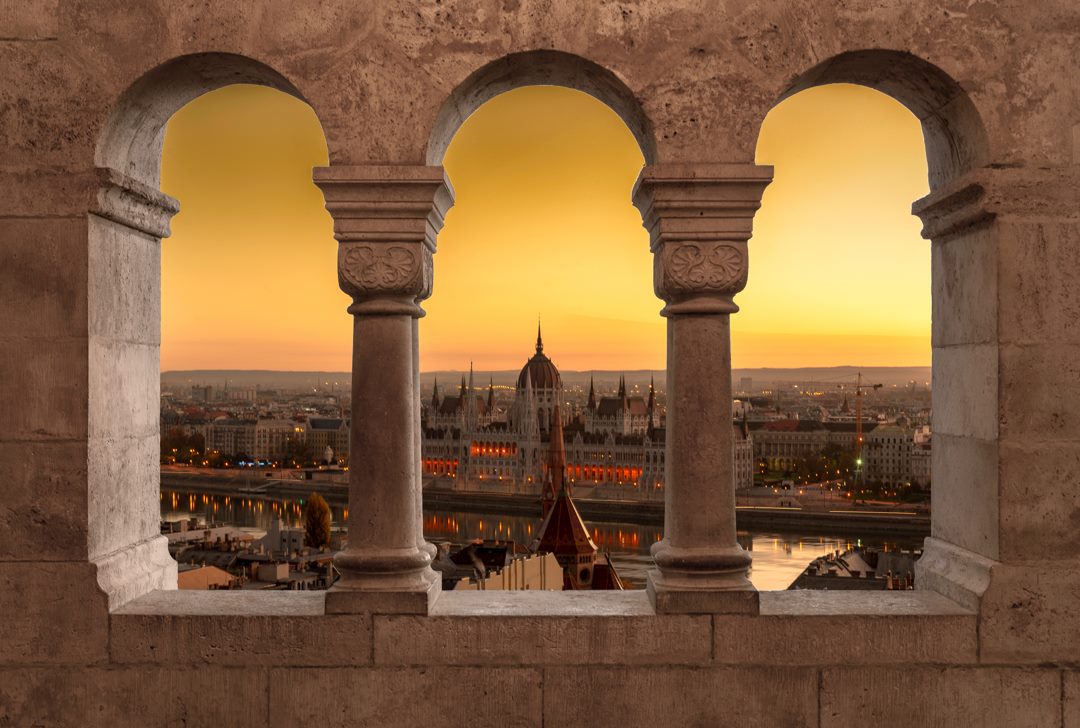
Consistently celebrated as one of the world’s most beautiful buildings, the Hungarian Parliament is Budapest’s premier landmark and the seat of the Hungarian government. Designed by Imre Steindl and completed after the architect’s death in 1904, this monumental Neo-Gothic masterpiece stands 96 meters tall (a symbolic tribute to the 896 Hungarian conquest), adorned with 365 towers and 40 kilograms of gold. Visitors can experience its grandeur firsthand on a 45-minute multilingual guided tour, taking in the magnificent Ceremonial Staircase, the majestic Dome Hall, and Hungary’s legendary Holy Crown.
1055 Budapest, Kossuth Lajos tér 1-3. | Website
St. Stephen’s Basilica
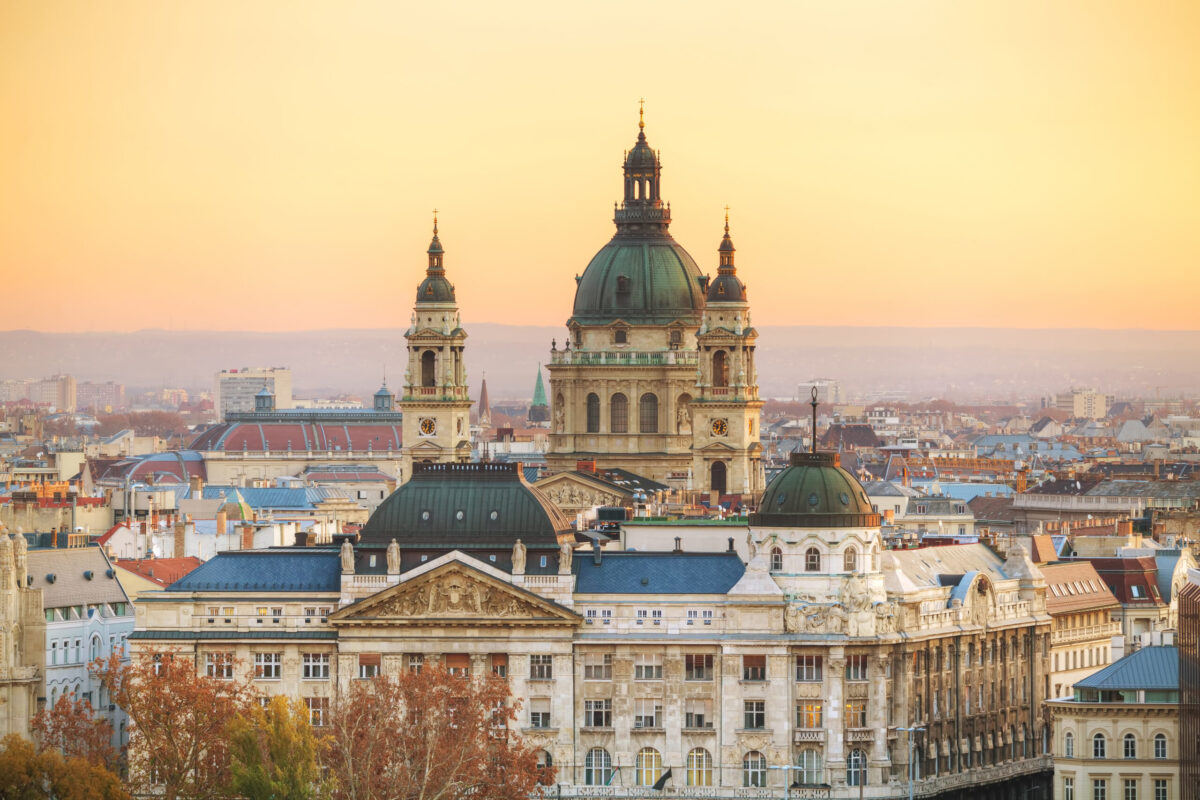
Located a short walk from the Parliament stands St. Stephen’s Basilica, Budapest’s largest church. Named after Hungary’s first Christian king, it was founded in gratitude after the 1838 flood. Rising to 96 meters, its height equals the Hungarian Parliament to reflect the balance of church and state. Inside rests Hungary’s most revered relic, the Holy Dexter: the mummified right hand of St. Stephen. Today, visitors can admire the splendid interior, tour the treasury, attend an evening organ concert, or climb up to the panoramic dome lookout for breathtaking, 360-degree views across the capital.
1051 Budapest, Szent István tér 1. | Website
Hungarian State Opera House
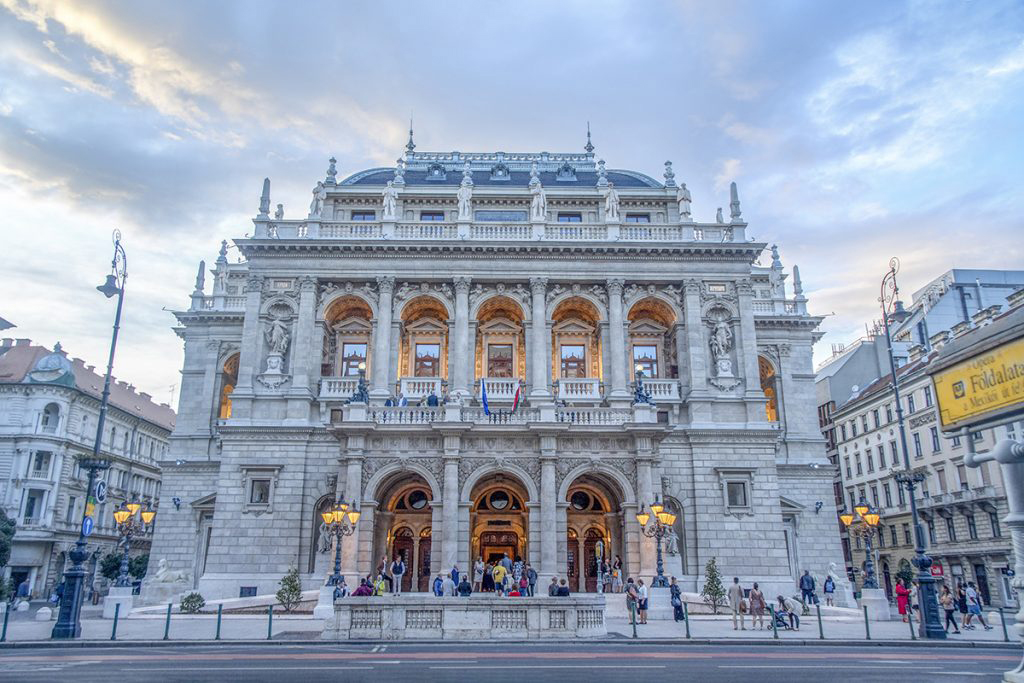
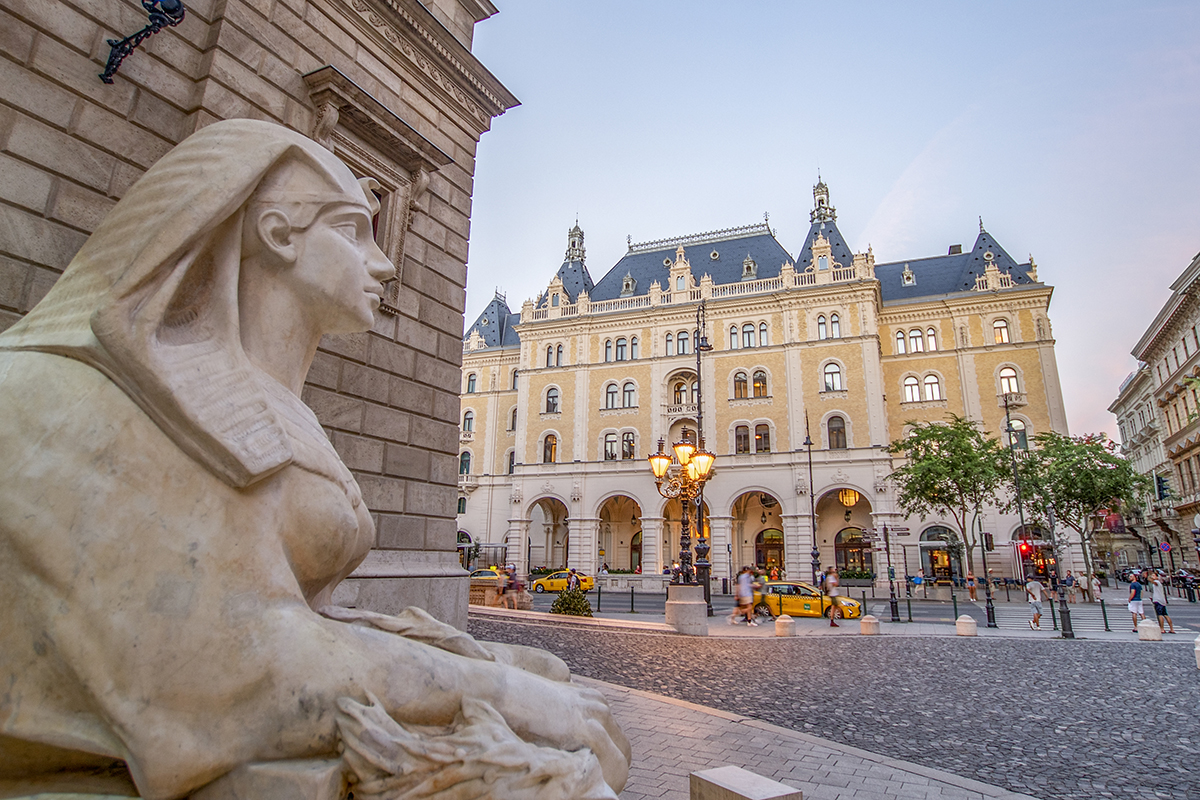
The Hungarian State Opera House is the Neo-Renaissance magnum opus of architect Miklós Ybl. Opened in 1884 after an 1873 competition victory over Imre Steindl, its grand limestone façade is guarded by statues of Liszt and Erkel alongside sixteen composers. Step inside to discover breathtaking opulence, from the lavish marble foyer that once stunned Emperor Franz Joseph to gilded halls adorned with frescoes by Károly Lotz. You can immerse yourself in its timeless splendor on a 60-minute daily multilingual tour or by attending a world-class performance in one of Europe’s most beautiful auditoriums.
1061 Budapest, Andrássy út 22. | Website
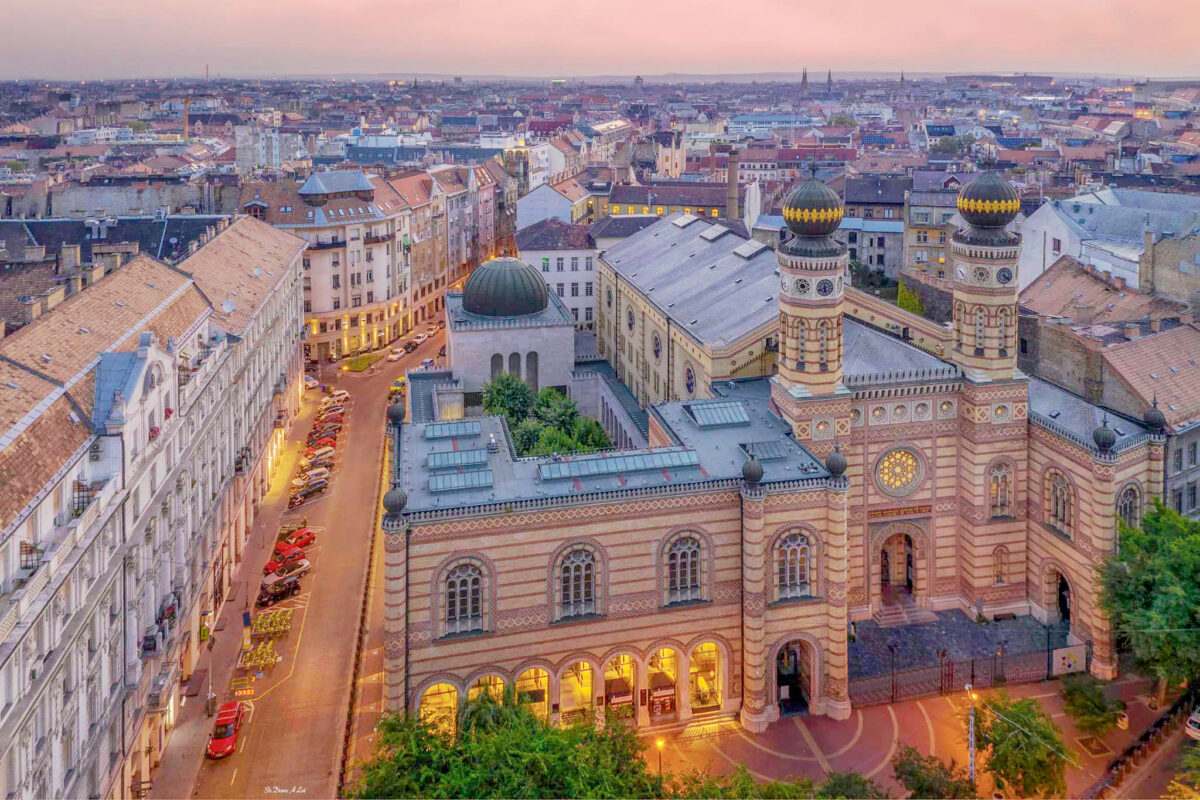
Dohány Street Synagogue
Rising in Budapest’s vibrant Jewish Quarter, the Dohány Street Synagogue is Europe’s largest Jewish house of worship. Built in 1859 by Viennese architect Ludwig Förster, this Moorish-Revival jewel features striking 44-meter twin towers and a vast basilical sanctuary seating nearly 3,000 people. Beyond the main hall, the complex invites visitors to explore the Hungarian Jewish Museum, the historic cemetery, and the Raoul Wallenberg Memorial Park, which together honor centuries of faith, rich cultural heritage, and enduring resilience across generations.
1074 Budapest, Dohány utca 2. | Website
Castle District
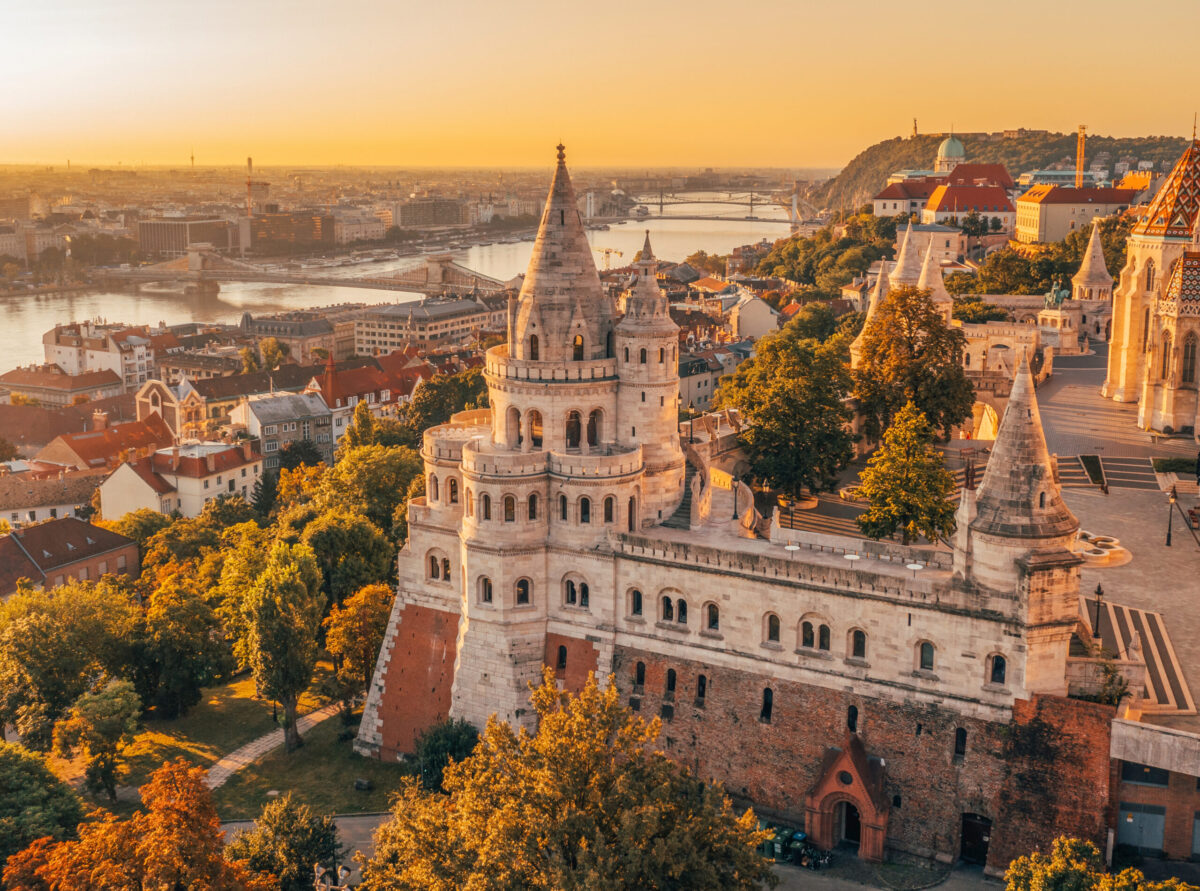
Hailed by medieval travelers alongside Venice and Florence as one of Europe’s greatest treasures, hilltop Buda retains all its timeless majesty. A dazzling showcase of history and architecture, Castle District crowns Budapest with a postcard-worthy skyline. Here, the soaring belfry of Matthias Church and the whimsical arches of Fisherman’s Bastion share the heights with the Zsolnay-tiled Ministry of Finance and the sprawling Royal Palace. Whether you arrive via the vintage Funicular, wander the cobblestone streets, or explore the terraced Várkert Bazaar, this layered enclave is sure to leave a lasting impression.
Citadel
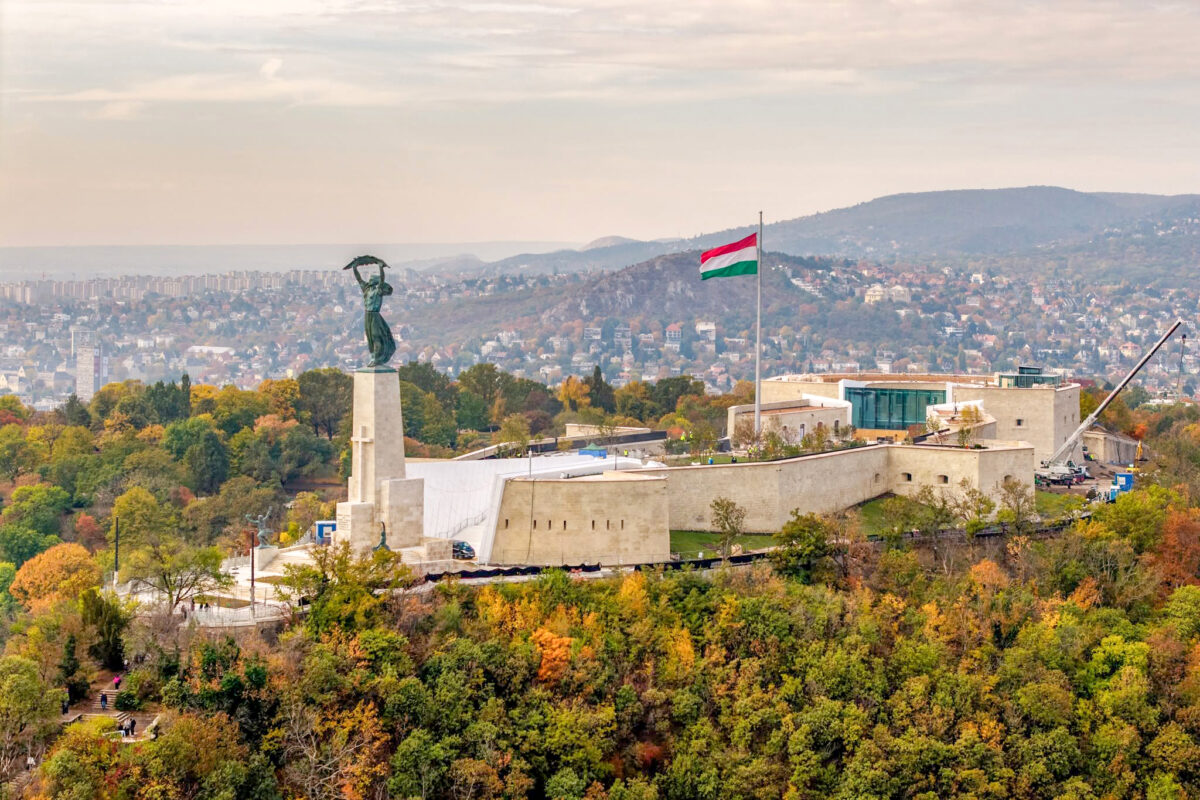
Perched atop Gellért Hill, the Citadel is one of Budapest’s most dramatic monuments. Built by the Habsburgs after the 1848 Revolution to monitor the city, this former fortress has shed its dark, oppressive past to become a celebrated symbol of freedom. Presided over by the emblematic Liberty Statue since 1947, the summit offers unrivaled vistas of the Danube, Buda Castle, and the Parliament. Now revitalized, the complex features a lush 6,000-square-meter public park, scenic terraces, and the “Bastion of Freedom” exhibition, with free panoramic walkways welcoming visitors from around the world.
1118 Budapest, Citadella sétány 1. | Facebook
Liberty Bridge
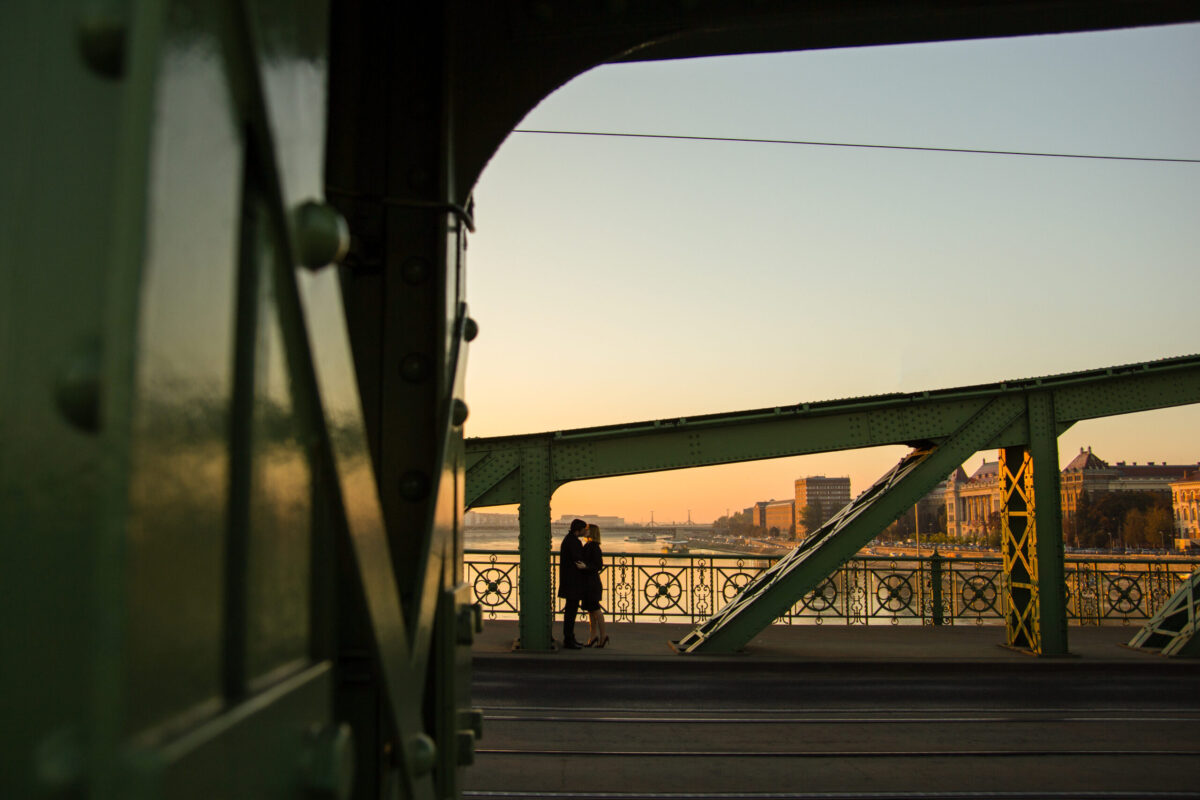
With its emerald iron lattice and graceful Art Nouveau curves, Liberty Bridge is one of Budapest’s most beloved and charismatic river crossings. Opened in 1896 for the Millennium by Emperor Franz Joseph, it connects the bustling Great Market Hall with Gellért Square, flanked by mythical bronze Turul birds guarding each towering mast. While rich in history, the bridge truly shines through its vibrant urban culture: when pedestrianized on warm summer weekends, it becomes an open-air living room where locals gather with chilled wine, music, and evening picnics to watch the sunset over the Danube.
Historic Baths
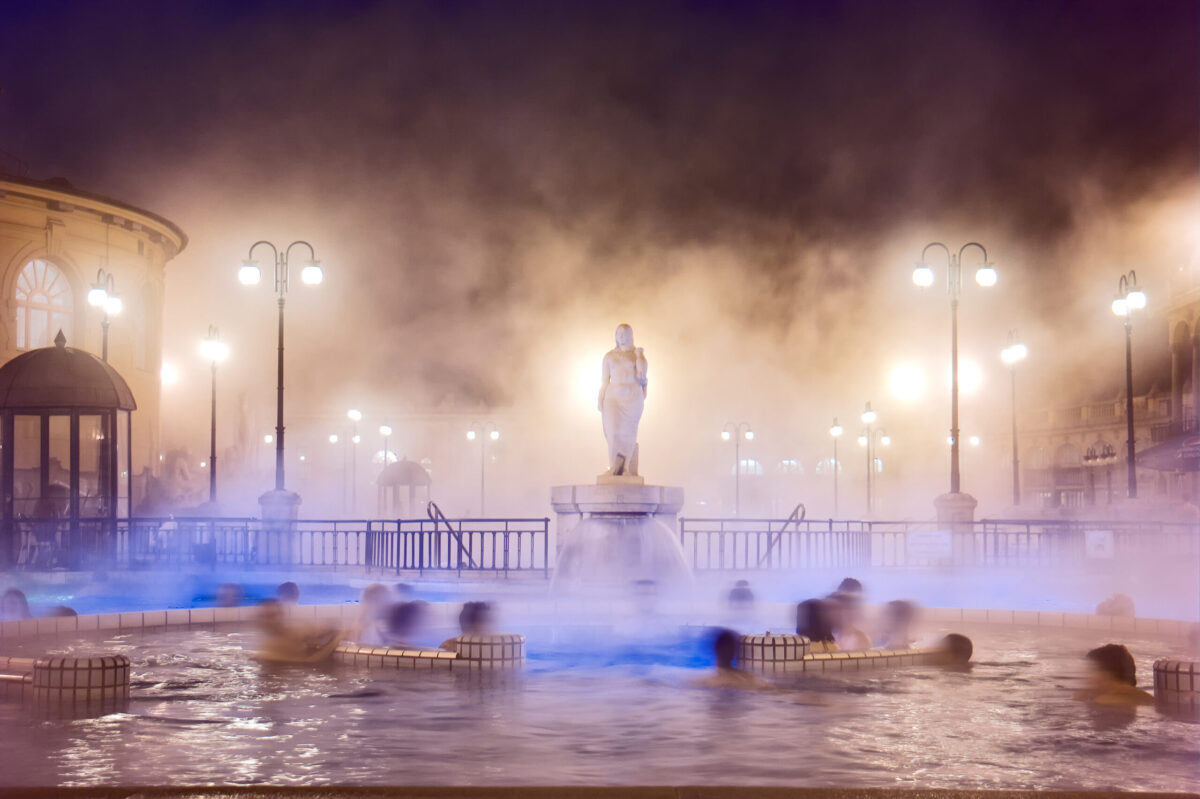
Earning its title as the City of Spas, Budapest sits atop a vast labyrinth of natural thermal springs. In City Park, the palatial Neo-Baroque Széchenyi Baths delight with steaming open-air pools and bathing chess players, while the riverside Rudas transports bathers to the Ottoman era beneath a 16th-century dome, capped by a modern rooftop hot tub. Meanwhile, the historic Lukács Baths remains an authentic local favorite: long cherished by denizens for its therapeutic waters and peaceful stone courtyards, it offers a deeply restorative escape from the capital’s bustle.
Andrássy Avenue
Dubbed Budapest’s Champs-Élysées, the UNESCO-listed Andrássy Avenue is the grandest boulevard in the Hungarian capital. Spanning 2.5 kilometers from Erzsébet Square to Heroes’ Square, it unfolds in three distinct chapters. It begins downtown as a glamorous corridor of haute-couture boutiques and fine dining, before giving way at Oktogon to grand turn-of-the-century residential palaces – home to the House of Terror and the Liszt Museum. Finally, beyond Kodály Circus, the avenue broadens into a leafy, peaceful diplomatic quarter lined with eclectic villas.
Váci Street and Vörösmarty Square
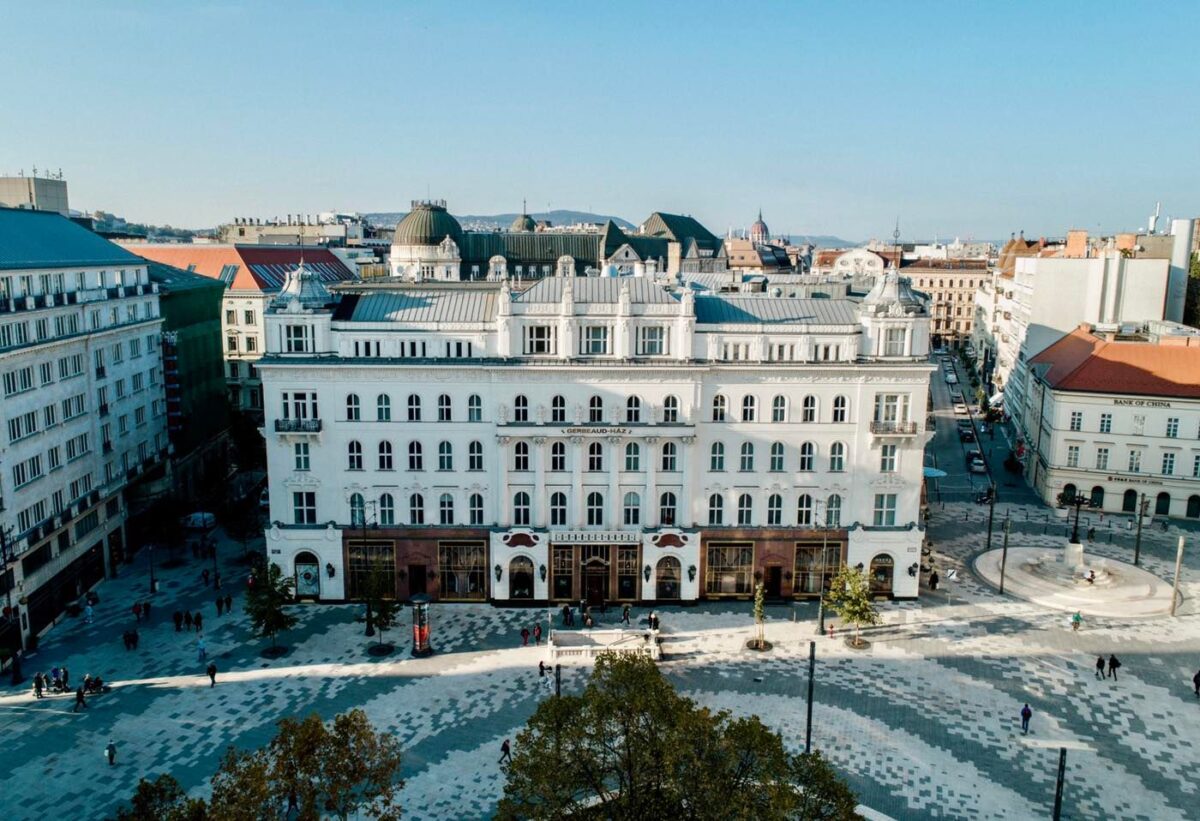
Vörösmarty Square is downtown Pest’s focal plaza, home to the prestigious Café Gerbeaud, a marble memorial dedicated to its namesake poet, and the historic M1 terminus. Come winter, it transforms into one of the city’s most celebrated Christmas markets. The square also marks the start of Váci Street, Budapest’s iconic pedestrian strip. While the northern stretch to Ferenciek Square buzzes with retail energy and lively terraces, crossing Kossuth Lajos Street opens into a calmer stretch lined with artisan boutiques, art galleries, and gelaterias that leads straight to the Great Market Hall.
Tram 2
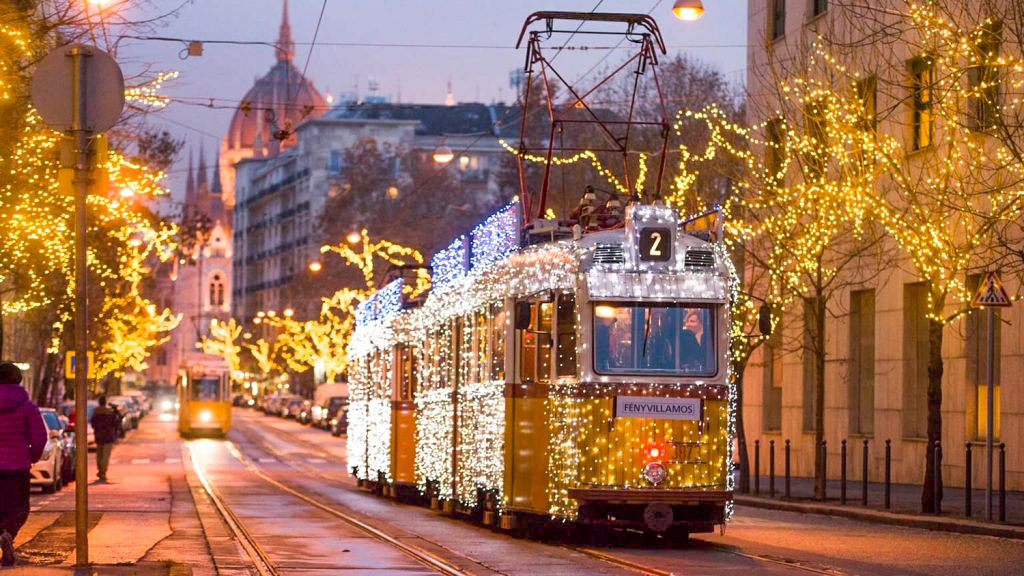
Ranked among the most scenic tram routes in the world, Tram 2 is the ultimate sightseeing hack – offering a panoramic cruise along the Danube for the mere price of a standard transit ticket. Hugging the riverbank from Jászai Mari Square down to the National Theatre, the bright yellow cars glide past some of Budapest’s most significant landmarks. Look out the riverside windows for sweeping vistas of Buda Castle, the Fisherman’s Bastion, and Gellért Hill rising across the shimmering water, while the Pest side treats visitors to up-close glimpses of the Hungarian Parliament, Gresham Palace, and the Vigadó.
 Funzine