Craving something a little more alternative? If you’ve ticked off the main sights and are ready to venture beyond the usual tourist stops, it’s time to discover Budapest’s edgier side. From gritty, multicultural streets and hidden neighborhoods to sprawling industrial complexes, these offbeat spots reveal a rawer, more unexpected side of the Hungarian capital.
Népszínház Street: The Beating Heart of Alternative Pest
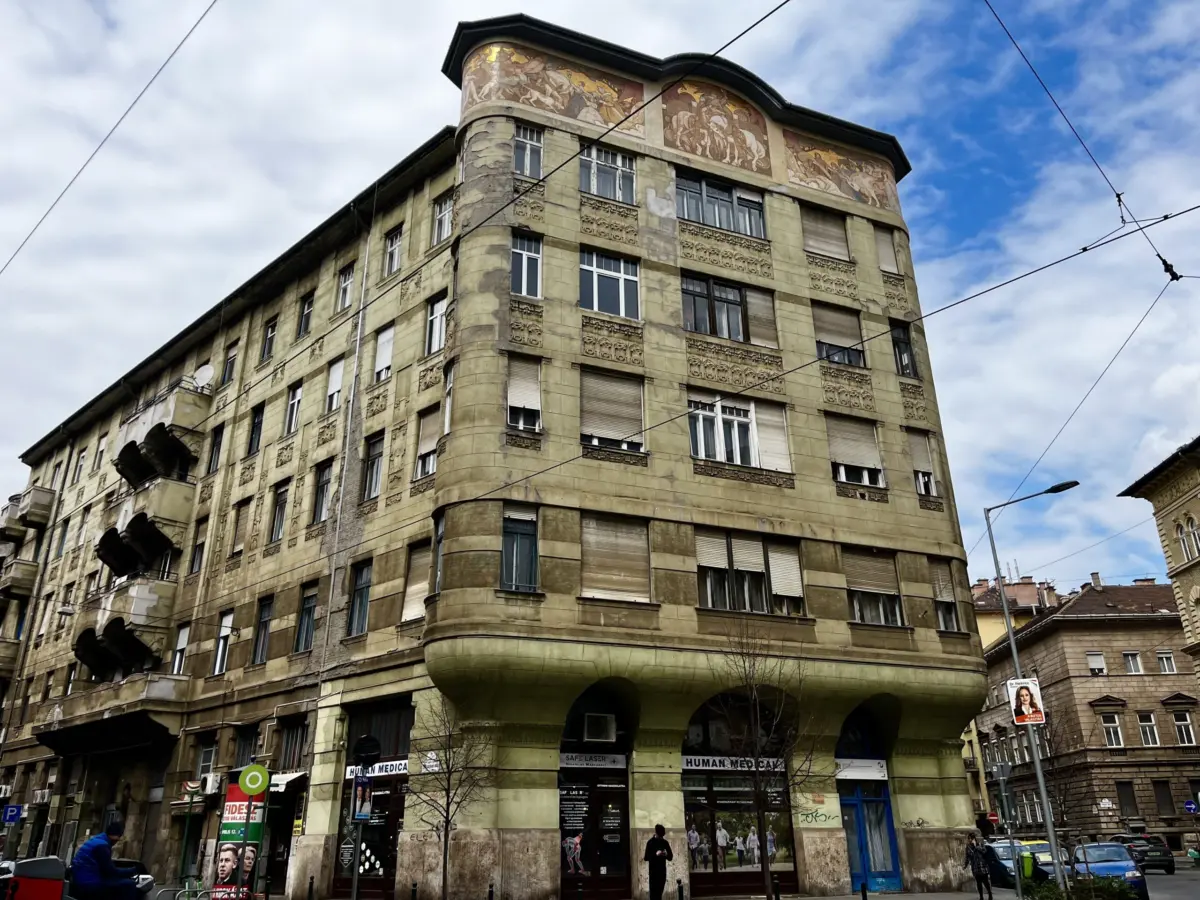
Forget polished promenades: Népszínház Street is all about contrasts. Running through Józsefváros, this busy street combines weathered apartment blocks, international grocery stores, tramlines and the everyday bustle of a multicultural neighborhood. Yet look beyond the surface and you’ll discover architectural gems from Budapest’s early 20th-century heyday. Highlights include the richly decorated Harsányi House and the spectacular mosaic on the former brewery building at No. 22, depicting Gambrinus, the legendary patron of beer.
Gastro Gem: Time Out Market Budapest
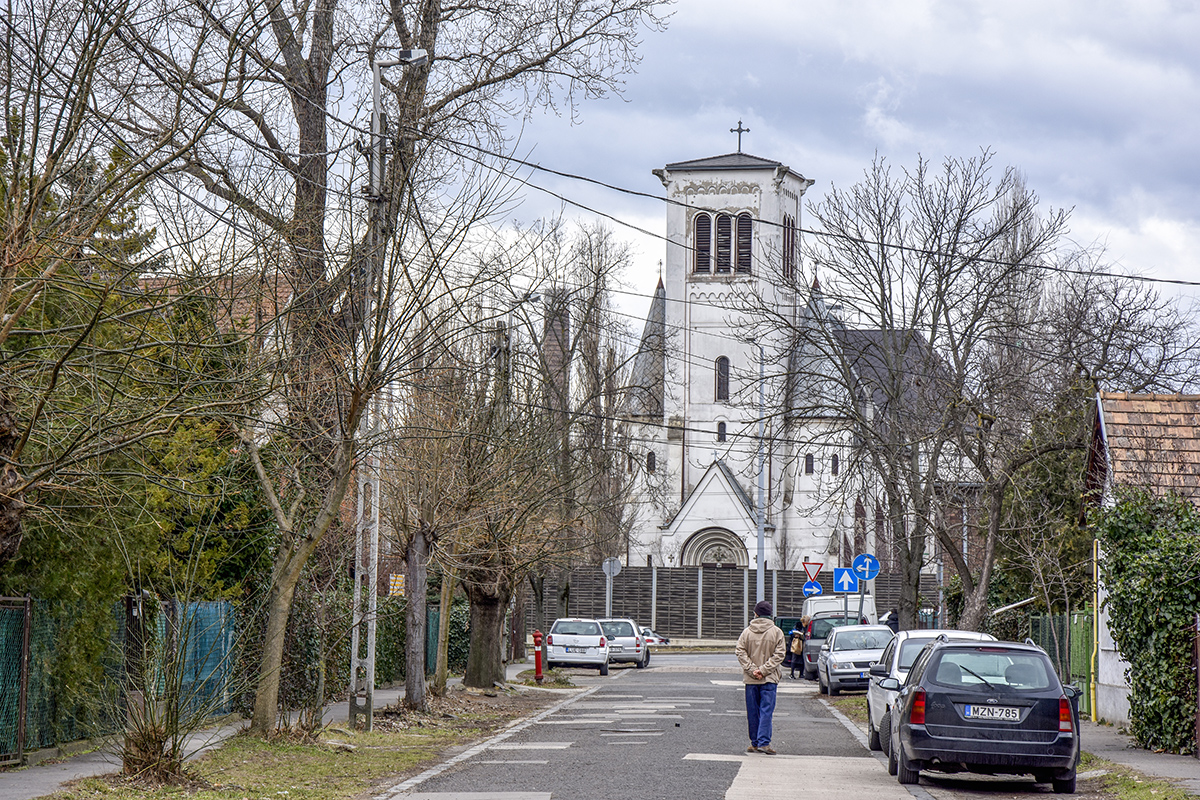
Tisztviselőtelep: A Secret Village in the City
Hidden between busy roads and industrial surroundings, Tisztviselőtelep feels like a different world. Developed from 1886 as a residential neighborhood for civil servants, it was an ambitious housing project built around family homes, leafy streets and a quieter pace of life. More than a century later, its village-like atmosphere remains a surprise in the heart of the capital. Wander along its peaceful streets to admire historic houses and distinctive architectural details, then look out for the Tündérpalota, an impressive Art Nouveau landmark that adds to the area’s unexpected charm.
Gastro Gem: Taiwan Étterem
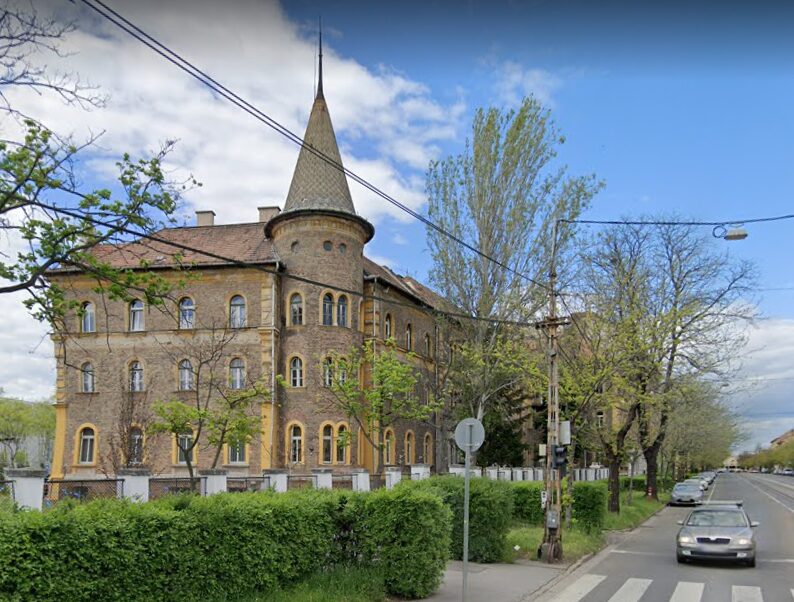
Kőbányai Road: Industrial Ghosts and Hidden Corners
For a glimpse of Budapest’s industrial past, head towards Kőbányai Road and the former Ganz–MÁVAG factory complex. This part of the city tells a different story from the grand boulevards and historic cafés, with its industrial buildings, old workshops and traces of a once-thriving manufacturing district. Continue towards Óhegy, where Kőbánya’s history as a limestone quarrying area becomes part of the landscape. The neighborhood’s Csősztorony, a distinctive former vineyard watchtower, hints at a time when vineyards and wine production shaped the district.
Gastro Gem: Wang Mester Eastwin
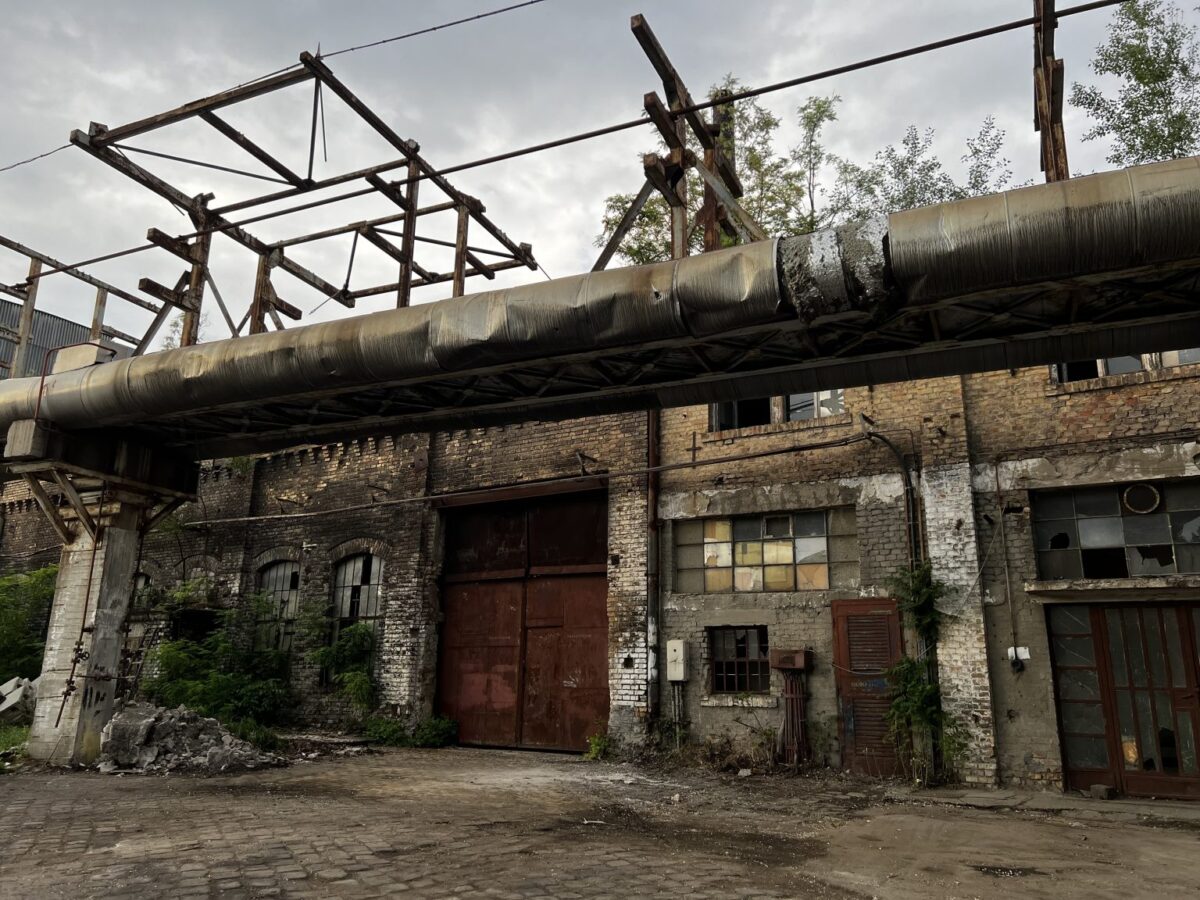
Csepel Works: A City Within a City
On the southern edge of Budapest, Csepel Works is an industrial giant with a world of its own. Founded by entrepreneur Manfréd Weiss, the factory complex grew into one of Hungary’s most important industrial centers, employing tens of thousands of workers at its peak. Today, its vast halls, old railway tracks and sprawling network of internal roads tell the story of a bygone industrial era. Some buildings have found new uses, while others retain their weathered, timeworn character. This isn’t a conventional sightseeing destination, but for anyone fascinated by urban exploration and industrial heritage, it’s well worth discovering from publicly accessible areas.
Gastro Gem: Rizmajer Sörház
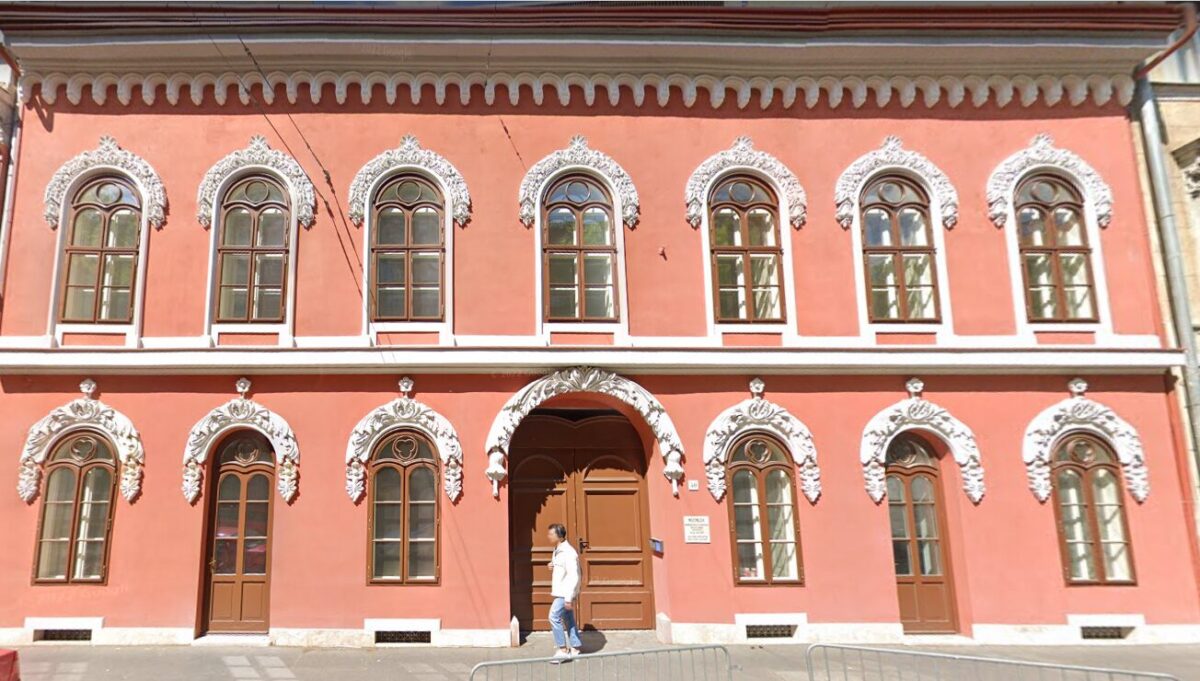
Baross Street: A Different Side of Józsefváros
Once the main artery of Józsefváros, Baross Street was a bustling commercial street lined with workshops, factories and independent shops. In the early 20th century, it was home to hundreds of businesses, including numerous furniture makers and upholsterers. Today, faded shopfronts, ageing apartment buildings and traces of old trades tell a story of changing fortunes. Walk beyond the Grand Boulevard towards Kálvária Square and Orczy Square to experience a less polished side of Pest, where the city’s history remains visible in its everyday streetscape. Look closely and you might spot old shop signs that hint at the street’s former glory.
Gastro Gem: YÜME
 Funzine