From hidden bunkers to immersive time‑travel, Budapest offers countless ways to step back into its rich and complex history. These unique venues invite you to explore bygone eras, encounter iconic figures, and experience the city’s heritage through sights, sounds, and stories that stay with you long after your visit.
Time Machine Budapest
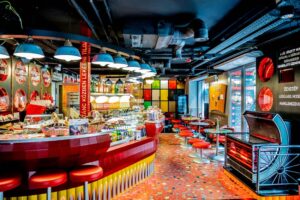
For a thrilling leap through Budapest’s past, step into Time Machine Budapest! An era‑hopping lift whisks you between seven faithfully recreated periods, brought to life with VR and AR technology, atmospheric sets, and dramatic audiovisual effects. Guided by the charismatic Time Traveller, you’ll witness pivotal moments, from the birth of Budapest to the streets of the 1956 Revolution, and encounter well‑known Hungarian actors in holographic cameos. This 90‑minute, small‑group journey is as engaging for history buffs as it is for curious first‑timers, offering a vivid, multi‑sensory way to explore the city’s bygone eras.
1061 Budapest, Király utca 26. | Website
Budapest 150: The Mysterious City Park
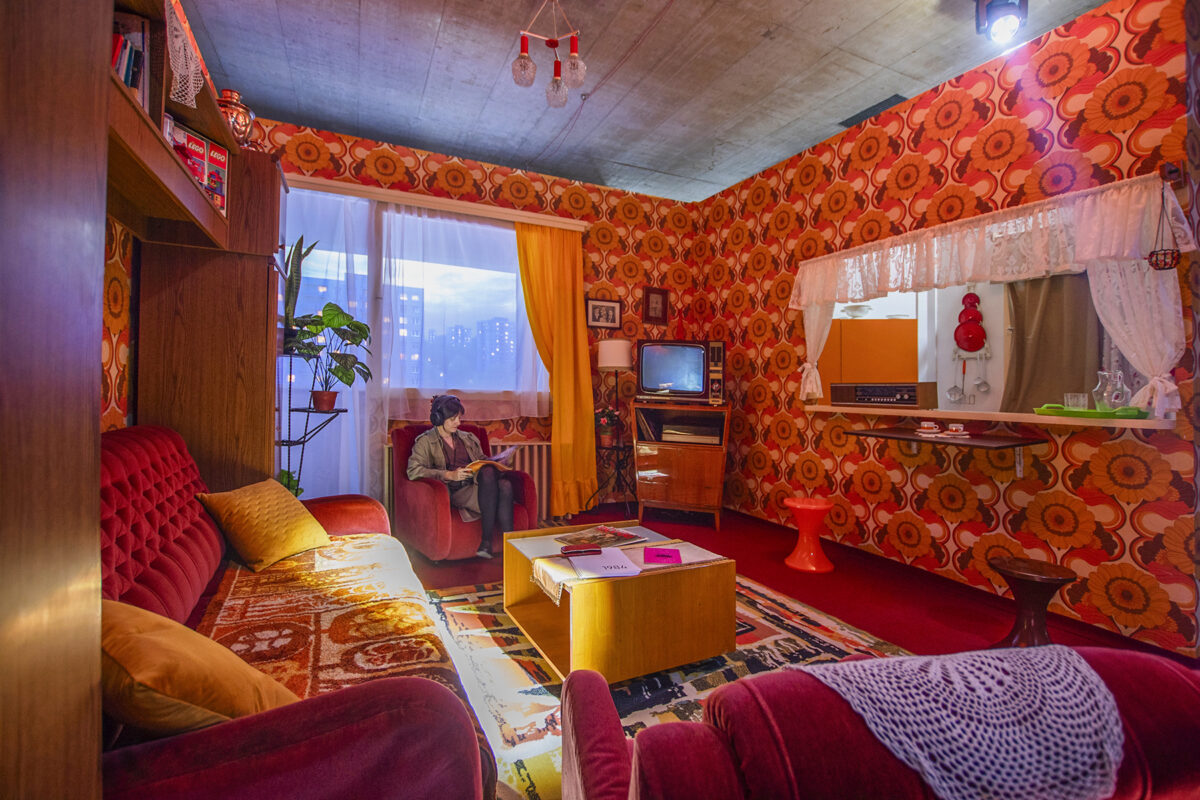
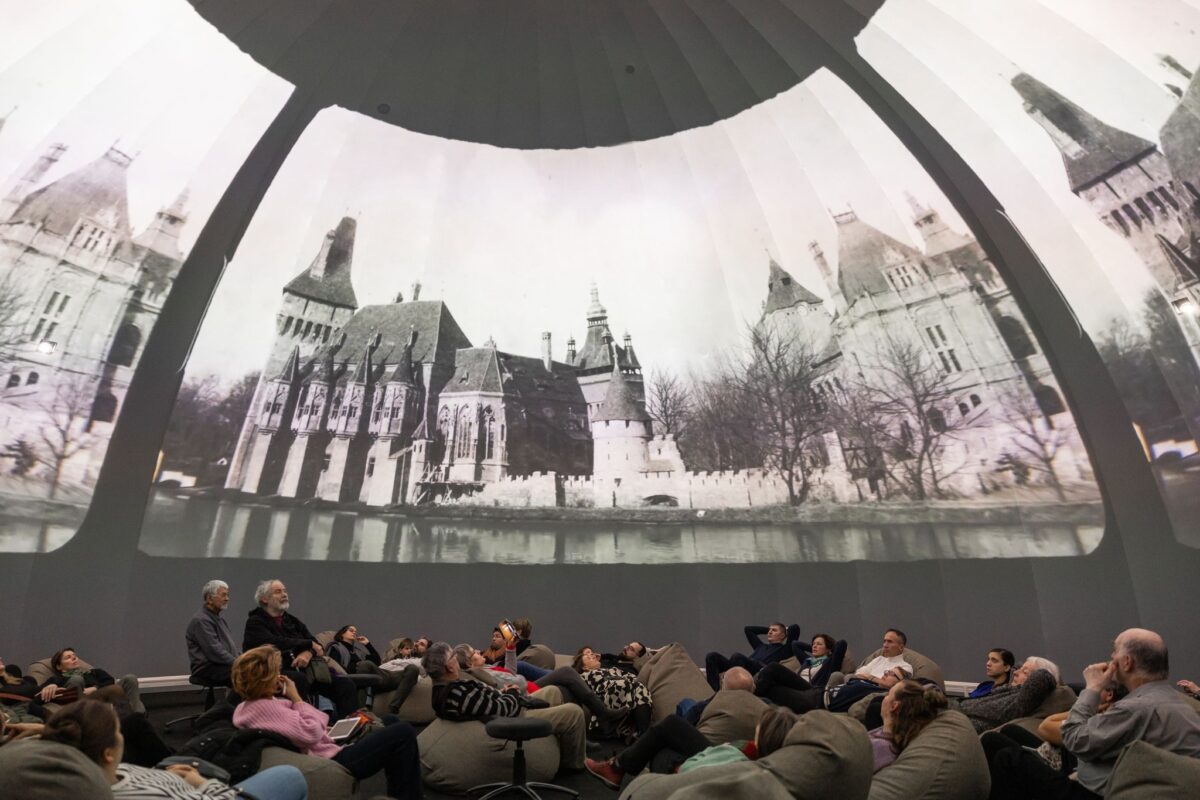
Marking Budapest’s 150th anniversary, the House of Music Hungary invites visitors into its Sound Dome for a 360° audiovisual journey crafted with Animatiqua and Fortepan’s historic photo archive. Animated images bring the park’s past to life, from the grandeur of the 1896 World Exhibition to vanished landmarks and let you “walk” alongside figures such as Liszt, Bartók, and Tesla. The 24‑minute film sweeps through decades of change, from May Day festivities to today’s evolving cityscape, painting a moving, panoramic portrait of one of Budapest’s most beloved green spaces. Please note that screenings are in Hungarian.
1146 Budapest, Olof Palme sétány 3. | Website
Hospital in the Rock
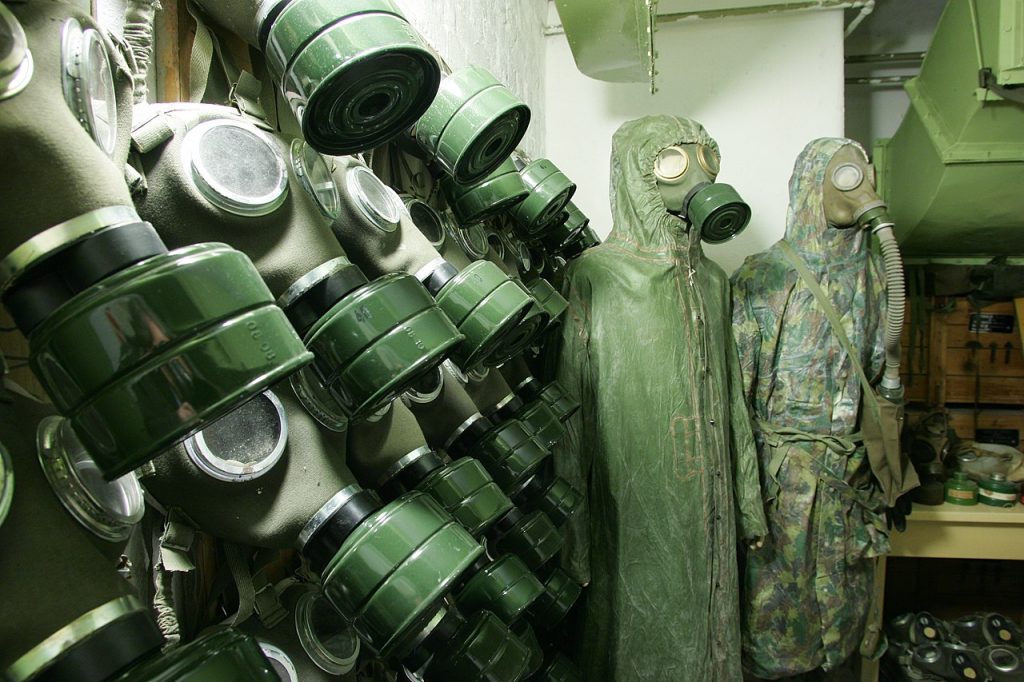
Beneath the Buda Castle lies one of Budapest’s most fascinating time capsules: the Hospital in the Rock. Built in 1939 within Castle Hill’s labyrinth of caverns, it served as both an emergency hospital and bomb shelter, saving countless lives during the Siege of Budapest and later the 1956 Revolution. Transformed into a Cold War nuclear bunker, it remained classified until 2002. Since opening to the public in 2008, its corridors have been lined with original medical gear, preserved furnishings, and nearly 200 eerily realistic wax figures, providing a striking, close‑up look at the city’s turbulent 20th‑century history.
1012 Budapest, Lovas út 4/c | Website
House of Terror
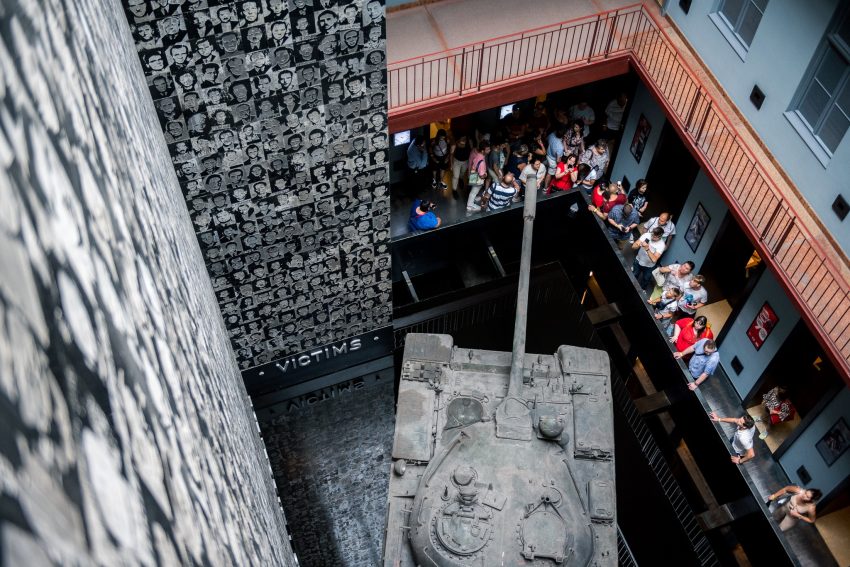
On lavish Andrássy Avenue, the House of Terror confronts visitors with Hungary’s darkest 20th‑century chapters. Once headquarters to the Arrow Cross Party and later the communist secret police, the building now houses a museum honouring the victims of both regimes. Its entrancing exhibits pull you into history: watch footage of the rigged 1945 election from inside a voting booth, sit in a courtroom lined with surveillance files, or descend into the chilling basement cells where prisoners were held and tortured. With original artefacts, haunting soundscapes, and stark design, it’s a sobering, unforgettable experience.
1062 Budapest, Andrássy út 60. | Website
Millennium Underground Railway
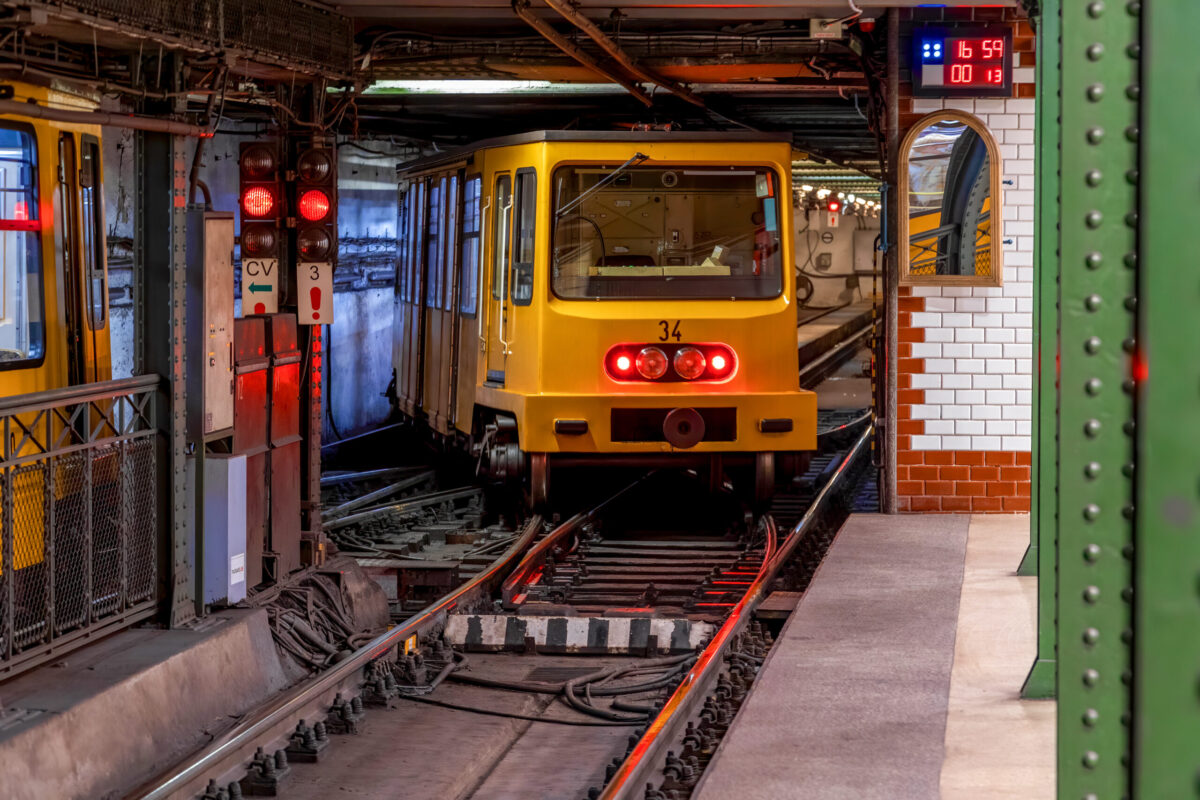
Opened in 1896 to mark Hungary’s millennial celebrations, Budapest’s M1 line holds the distinction of being the first metro in continental Europe. Running beneath Andrássy Avenue, its compact yellow carriages and charmingly preserved stations give passengers a glimpse of Budapest’s fin‑de‑siècle splendour. Step onto the platforms and you’ll notice the gleam of Zsolnay ceramic tiles, a hallmark of turn-of-the-century Hungarian craftsmanship, alongside ornate ironwork and wooden ticket booths. Still in daily use, the M1 is both a practical way to travel and a living museum, carrying you through more than a century of urban heritage.
1051 Budapest, Vörösmarty tér
 Funzine